
Why Spiders And Crickets Invade Residential Properties
Understanding why spiders and crickets invade residential properties helps homeowners find effective control solutions offered by local contractors who specialize in pest management.
If you’ve noticed an increase in spiders or crickets around your home, you're not alone. These insects often find their way indoors when conditions outside become favorable for them, especially during certain times of the year. Understanding why spiders and crickets invade residential properties can help property owners identify common attractants and entry points, making it easier to take practical steps toward prevention. Whether it’s gaps around windows, piles of debris, or moisture issues, addressing these factors can significantly reduce their presence. Local contractors specializing in pest control can offer targeted solutions to keep these unwelcome visitors outside where they belong.
Exploring the reasons behind spider and cricket invasions is a practical step for homeowners seeking to maintain a comfortable, pest-free environment. Many local service providers offer effective control options that address the root causes of infestations, such as sealing entry points or managing outdoor habitats. By understanding what draws these insects in, property owners can take proactive measures to minimize their attraction and improve overall pest management. Keep reading to discover more about the common reasons these pests invade and how local experts can assist in creating a pest-resistant home.
- Common Projects Services
- homeowners may need spider control services when webs and arachnids become noticeable around windows and eaves, with local contractors applying targeted treatments to reduce infestations. - Cricket control - residents experiencing persistent chirping or cricket activity in yards and basements can rely on local service providers to identify entry points and implement effective exclusion and treatment methods.
- properties with cluttered or damp areas often attract spiders and crickets, prompting local pros to recommend cleaning, sealing gaps, and applying barrier treatments to prevent re-infestation. - Cricket control - when crickets invade indoor spaces during warmer months, local contractors may use specialized baiting and trapping techniques to manage populations and keep homes cricket-free.
- properties near wooded or grassy areas are more prone to spider and cricket invasions, leading local service providers to develop comprehensive pest management plans tailored to outdoor conditions.
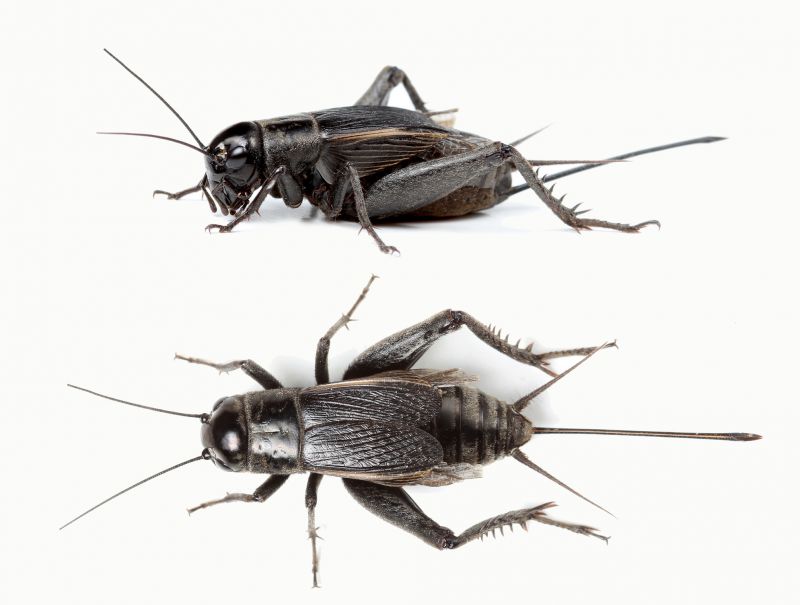
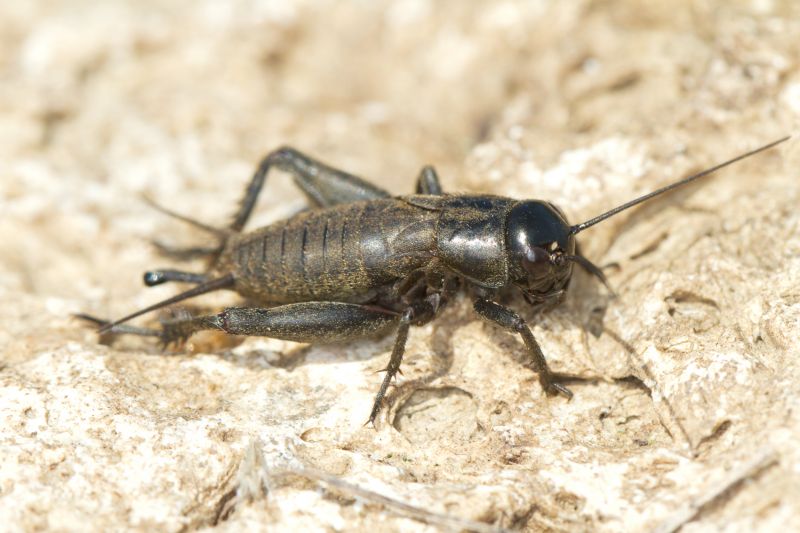
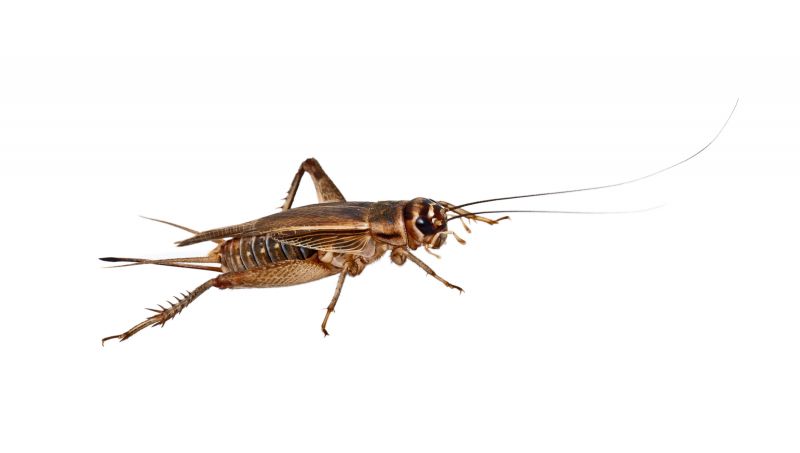
Understanding why spiders and crickets invade residential properties is a common concern among homeowners seeking to manage pest activity. When people search for this topic, they often want to learn about the reasons these insects appear indoors or around their homes, especially during certain seasons or after specific weather events. The goal is usually to identify what attracts these pests and discover effective ways to prevent or reduce their presence. This information helps homeowners plan targeted pest control strategies, often involving local service providers who specialize in spider and cricket management. Knowing the underlying causes of invasions can make ongoing pest prevention efforts more successful and less reactive.
The problems associated with spider and cricket invasions typically involve discomfort, property damage, or the desire to maintain a clean, pest-free living space. Crickets can be noisy and startling, especially at night, while spiders may cause concern due to their appearance or the potential presence of venomous species. Many homeowners also worry about the impact of these pests on children or pets. As part of a broader pest management plan, understanding why these insects invade helps homeowners decide whether they need ongoing prevention or targeted treatments. Local contractors who specialize in spider and cricket control can assess specific property conditions, identify pest attractants, and implement tailored solutions to address these issues effectively.
Certain types of properties are more prone to invasions by spiders and crickets. Residential properties with yards, gardens, or landscaping that provides cover and food sources are often more attractive to these pests. Homes with cluttered garages, crawl spaces, or poorly sealed entry points can also become easy access points for insects seeking shelter or food. Additionally, properties in areas with high insect activity or near natural habitats tend to experience more frequent invasions. Recognizing these property features helps homeowners understand their risk factors and consider preventative measures. Local service providers can evaluate property conditions and recommend modifications or treatments to reduce the likelihood of future invasions.
For homeowners dealing with recurring spider or cricket problems, connecting with local pros who offer pest control services is a practical step. These specialists can perform thorough inspections, identify the root causes of invasions, and develop customized plans to keep pests out of the home. Whether it involves sealing entry points, removing attractants, or applying targeted treatments, professional assistance can make a significant difference. Since each property has unique characteristics, working with experienced local contractors ensures that solutions are appropriate and effective. Understanding why spiders and crickets invade residential properties helps homeowners take proactive steps, making pest management more manageable and less disruptive over time.
Pest Inspection Services - Professionals conduct thorough inspections to identify potential entry points and nesting areas that attract spiders and crickets around homes.
Exclusion and Barrier Installation - Local contractors install barriers and seal cracks to prevent spiders and crickets from entering residential properties.
Yard and Landscape Maintenance - Landscaping projects that reduce hiding spots and moisture attractants help discourage pest invasions.
Moisture Control Solutions - Experts implement drainage and ventilation improvements to eliminate damp areas favored by crickets and spiders.
Structural Repairs and Sealing - Addressing damaged siding, vents, and foundation cracks reduces access points for pests seeking shelter.
Integrated Pest Management (IPM) Programs - Service providers develop customized plans to manage spider and cricket populations effectively around homes.
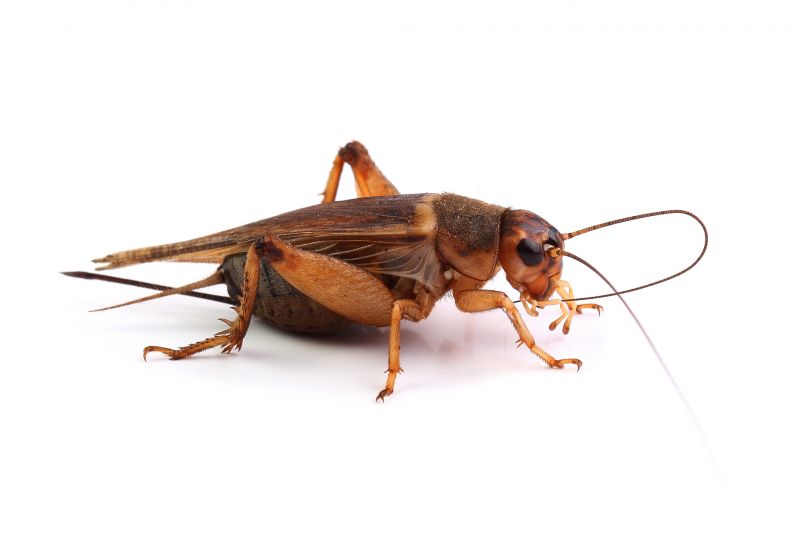
When comparing service providers for spider and cricket control, it’s important to consider their experience with similar residential projects. A contractor who has handled homes with comparable pest issues can often provide more effective solutions tailored to the specific conditions that attract these insects. Homeowners should inquire about the types of properties the contractor has worked on and their familiarity with common entry points and attractants in the local area. This background can help ensure that the chosen professional understands the unique challenges of controlling spiders and crickets in a residential setting.
Clear and detailed written expectations are essential when evaluating local contractors. A reputable service provider should be able to explain their approach to pest control, including the methods they use, the areas they will treat, and any preparatory steps the homeowner might need to take. Having this information in writing helps prevent misunderstandings and provides a transparent outline of what the service entails. It also allows homeowners to compare different providers more effectively, ensuring that the scope of work aligns with their concerns about why spiders and crickets invade their property.
Reputable references and strong communication are key factors when choosing a pest control professional. Reliable service providers should be able to share references or testimonials from previous clients who had similar pest issues. Good communication throughout the process-such as responsiveness to questions and clarity about treatment plans-also indicates professionalism and a commitment to customer satisfaction. By focusing on these qualities, homeowners can feel more confident in selecting a local contractor capable of effectively managing spider and cricket problems while maintaining a positive and transparent working relationship.
Property owners often search for why spiders and crickets invade residential properties when they are planning practical projects around their homes and businesses. Local pros provide Spider and Cricket Control services for everyday jobs and straightforward project options.
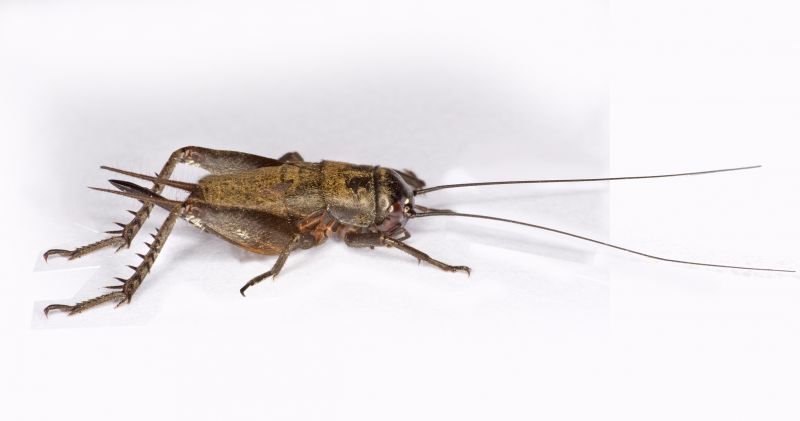
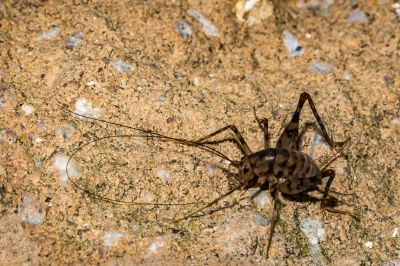
Understanding why spiders and crickets invade residential properties can help property owners address common entry points and attractants. These pests often seek shelter in dark, undisturbed areas such as basements, crawl spaces, and around foundation cracks. Additionally, they are drawn to environments with ample food sources like other insects, as well as cluttered or overgrown yards that provide hiding spots. Recognizing these factors can make it easier for homeowners to identify potential vulnerabilities in their properties and consider professional spider and cricket control services to manage infestations effectively.
Property owners in the area might look into spider and cricket control services when noticing increased pest activity or signs of intrusion, such as webs, droppings, or chirping sounds. Local contractors can assess the property for entry points and recommend targeted treatments to reduce pest populations. Routine inspections and preventive measures provided by experienced service providers can help maintain pest-free homes and minimize the chances of future invasions. Connecting with local experts ensures that pest issues are handled efficiently and in a way that aligns with the specific needs of the property.
Why do spiders and crickets tend to invade residential properties? Spiders and crickets often enter homes seeking shelter, warmth, and food sources, especially during certain seasons or when outdoor conditions change.
What attracts spiders and crickets to homes? These pests are attracted to areas with clutter, cracks, and gaps, as well as outdoor lighting that draws insects, which serve as their food source.
How can local contractors help prevent spider and cricket invasions? They can identify and seal entry points, remove hiding spots, and implement treatments to reduce pest populations around the property.
Are outdoor conditions a factor in pest invasions? Yes, excessive moisture, overgrown vegetation, and debris can create ideal habitats for spiders and crickets to thrive near residential properties.
What role do pest control services play in managing invasions? Service providers can perform targeted treatments and provide advice on reducing attractants to help keep spiders and crickets out of homes.
Identify entry points - Property owners can inspect and seal gaps around windows, doors, and foundation cracks to prevent spiders and crickets from entering. Local contractors can assist with professional sealing solutions.
Reduce outdoor attractants - Removing debris, clutter, and excess vegetation around the home minimizes hiding spots and food sources that attract these pests. Local pros can advise on effective yard cleanup methods.
Manage moisture levels - Fixing leaks and improving drainage reduces damp areas where crickets and spiders thrive, making the property less inviting. Service providers can recommend and implement moisture control measures.
Implement barrier treatments - Applying targeted pest control treatments around the perimeter of the property creates a barrier that deters invasions. Local pest control specialists can provide safe and effective barrier solutions.
If you are thinking about why spiders and crickets invade residential properties for a property, this guide is meant to help you understand this topic, the typical project types, and how different options might fit your plans.
When you are ready, you can use the quote form on this page to share a few details about your project. From there, local pros can review the basics and follow up with options that match what you have in mind.